

Living with diabetes requires consistent attention to your health. One important part of managing the condition is keeping your blood sugar levels within your recommended target range.
Whether you have Type 1 Diabetes or Type 2 Diabetes, high blood glucose can increase your risk of complications affecting your heart, kidneys, eyes and nerves.
The good news? With appropriate medical care and healthy lifestyle choices, you can take practical steps towards better blood sugar management.
READ ALSO: Don’t Ignore Your Blood Sugar: 5 Simple Habits That Could Make a Difference
Here are seven ways to help lower high blood sugar levels.
1. Diabetes: Choose Healthier Foods
Reduce sugary foods and drinks while including more vegetables, fiber and lean proteins in your meals. Also, pay attention to carbohydrate portions, especially when eating rice, yam, banku or fufu.
2. Exercise Regularly
Physical activity helps your muscles use glucose more effectively. Walking, cycling and swimming are good options. However, consult your doctor about exercising safely, particularly if you take insulin or other glucose-lowering medication.

3. Diabetes: Drink Plenty of Water
Staying hydrated supports normal body functions. Replace sugary beverages with water to avoid unnecessary increases in blood glucose.
4. Work Towards a Healthy Weight
If you are overweight, gradual weight loss may improve insulin sensitivity and help manage Type 2 Diabetes. Choose sustainable lifestyle changes rather than extreme diets.
5. Take Your Medication as Prescribed
If you have been prescribed diabetes medication or insulin, follow your doctor’s instructions. Never stop or adjust your medication without professional guidance.
Remember, lifestyle changes do not replace insulin treatment for Type 1 Diabetes.
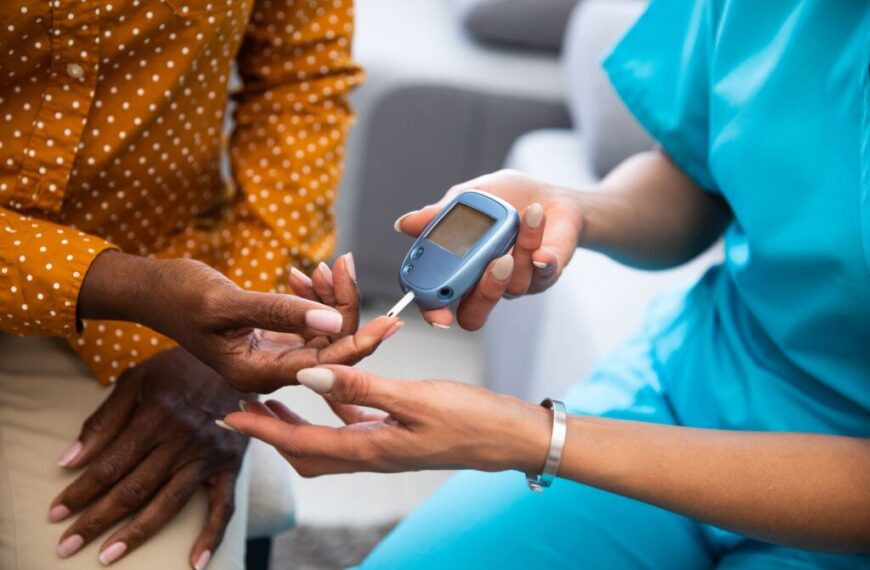
6. Diabetes: Monitor Your Blood Sugar Levels
Regular blood glucose monitoring helps you understand how your body responds to food, exercise and medication. Your doctor may recommend a Fasting Blood Sugar test (FBS), Random Blood Sugar test (RBS) or HbA1c test, depending on your needs.
7. Attend Regular Medical Check-ups
Routine medical reviews help monitor your diabetes and identify potential complications early. They also allow your healthcare team to assess your treatment and make necessary adjustments.
READ ALSO: 7 Everyday Habits That Could Be Raising Your Blood Pressure — And How to Change Them
Your Health Deserves Attention. Don’t Wait!
Managing diabetes is a continuous journey, and you do not have to navigate it alone.
At Medics Clinic, we encourage early detection, professional medical guidance and continuity of care.
Whether you are concerned about high blood sugar, living with diabetes or need advice on appropriate testing, our healthcare team is ready to assist.
Visit Medics Clinic, Mahama Road, Tse Addo, adjacent The Avenue, or call 055 341 1221 to enquire.
Know your numbers. Take action. Protect your health.

 By