

One in five Ghanaians has elevated blood pressure. Discover 7 everyday habits that increase your risk and how Medics Clinic can help you take action early.
You probably check your phone every morning.
You probably check your fuel gauge before a long drive.
But when was the last time you checked your blood pressure?
That’s an important question.
READ ALSO: Why High Blood Pressure Is Called the “Silent Killer”
According to Ghana’s Ministry of Health, one in five Ghanaians has elevated blood pressure, and hundreds of thousands of hypertension cases continue to be reported each year. The numbers are a reminder that high blood pressure is becoming one of Ghana’s biggest silent health challenges.
The difficult part is that high blood pressure often has no obvious symptoms. Many people continue with work, family life and daily routines without realizing their heart is under increasing strain.
The good news is that many everyday habits can be improved. Small changes made consistently can make a meaningful difference over time.
Here are seven habits worth paying attention to.
1. You’re Eating More Salt Than You Realize
Salt isn’t just what you sprinkle on food.
It also hides in processed foods, instant noodles, snacks and seasonings.
Too much sodium can contribute to elevated blood pressure, even if your meals don’t taste particularly salty.
Try this instead:
- Reduce the amount of salt you add while cooking.
- Taste food before adding extra salt.
- Choose fresh ingredients more often.
- Check food labels when buying packaged foods.
Small reductions made every day can add up.
2. Processed Foods Are Becoming Your Go-To Option
Busy schedules make convenience tempting.
However, diets high in processed foods, unhealthy fats and sugary drinks can increase the risk of weight gain and other conditions linked to high blood pressure.

A simple fix
Instead of changing everything overnight:
- Replace one sugary drink with water.
- Include vegetables with lunch.
- Choose healthier snacks more often.
Progress matters more than perfection.
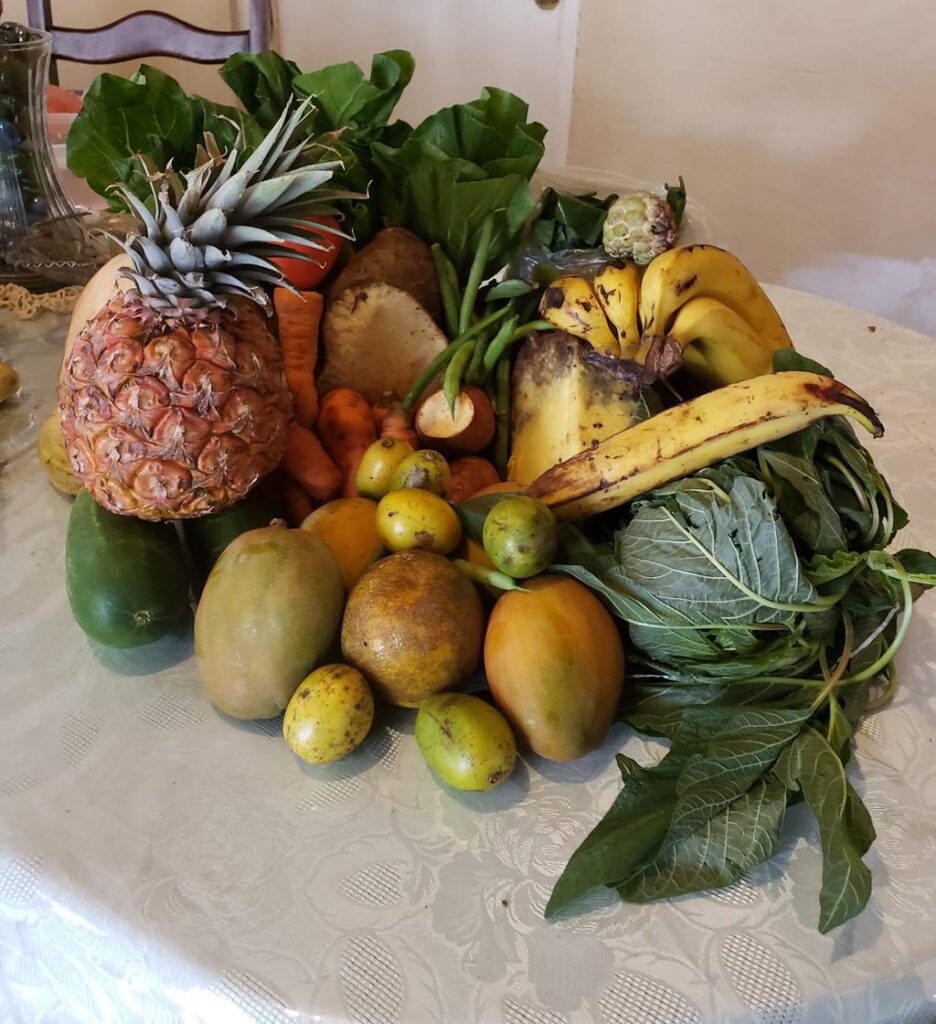
3. Fruits and Vegetables Don’t Show Up Often Enough
Many people know fruits and vegetables are important.
The challenge is eating them consistently.
National health findings suggest many Ghanaians don’t consume fruits regularly enough.
Make it easier
- Add fruit to breakfast.
- Include vegetables with dinner.
- Keep healthy snacks within easy reach.
These small habits become easier with repetition.
READ ALSO: High Blood Pressure Symptoms in Women
4. You’re Sitting for Most of the Day
If your day involves:
- office work,
- traffic,
- meetings, or
- screen time,
you’re not alone.
Unfortunately, spending long hours sitting can increase cardiovascular risk.
Your heart needs movement.
You don’t need an expensive gym membership.
Instead:
- walk during breaks,
- use the stairs,
- dance at home,
- take an evening walk around your neighborhood.
The World Health Organization recommends at least 150 minutes of moderate physical activity each week.
5. Alcohol Is Becoming Part of Your Routine
Occasional drinking may not be the issue.
However, frequent or excessive alcohol consumption can increase blood pressure.
A healthier approach
- Drink less often.
- Reduce portion sizes.
- Plan alcohol-free days during the week.
Your heart benefits from consistency.
6. You Smoke—or You’re Around Tobacco Smoke
Smoking affects more than your lungs.
It significantly increases cardiovascular risk and places extra pressure on your heart and blood vessels.
The next step
If you smoke, seeking professional support can make quitting easier.
Avoiding second-hand smoke also protects your long-term health.
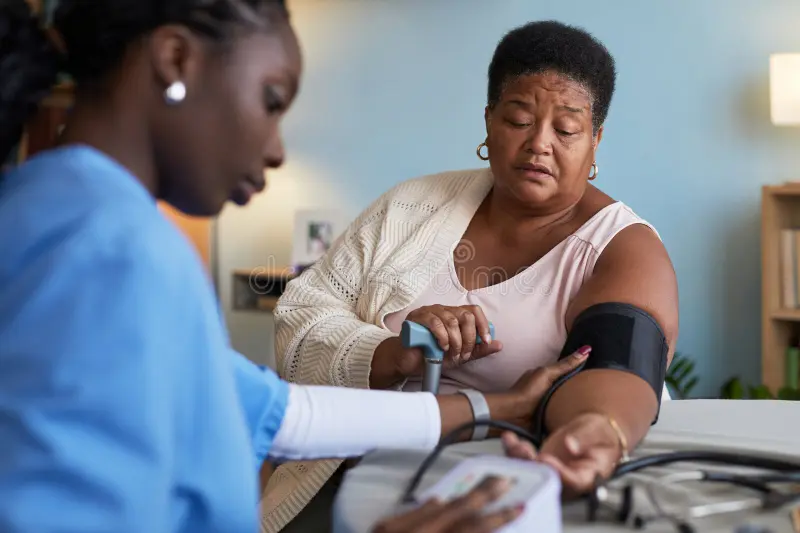
7. You Rarely Check Your Blood Pressure
This may be the most important habit of all.
Many people assume they’ll know when something is wrong.
The reality is different.
High blood pressure often develops silently.
You can feel completely well while your blood pressure remains elevated.
Make checking a habit
Consider regular blood pressure checks if:
- you’re over 35,
- you have a family history of hypertension,
- you’re overweight,
- you live with diabetes, or
- you have a stressful lifestyle.
Knowing your numbers is one of the simplest steps you can take.
READ ALSO: 4 Proven Malaria Prevention Tips for Families in Accra
Small Changes Can Protect Your Heart
Your age and family history aren’t things you can change.
Your daily choices are.
Choosing healthier meals.
Walking more.
Reducing salt.
Managing stress.
Checking your blood pressure.
These aren’t dramatic changes—but together they can help reduce your cardiovascular risk over time.
Remember:
Take the First Step Today
At Medics Clinic, we believe prevention begins with awareness and action.
If it’s been a while since your last blood pressure check, now is a good time to start.
Our team is here to support you with compassionate, physician-led care.

 By
By