

Floods in Accra can increase the risk of malaria, cholera, typhoid, and diarrhoea. Learn practical rainy season health tips to protect your family.
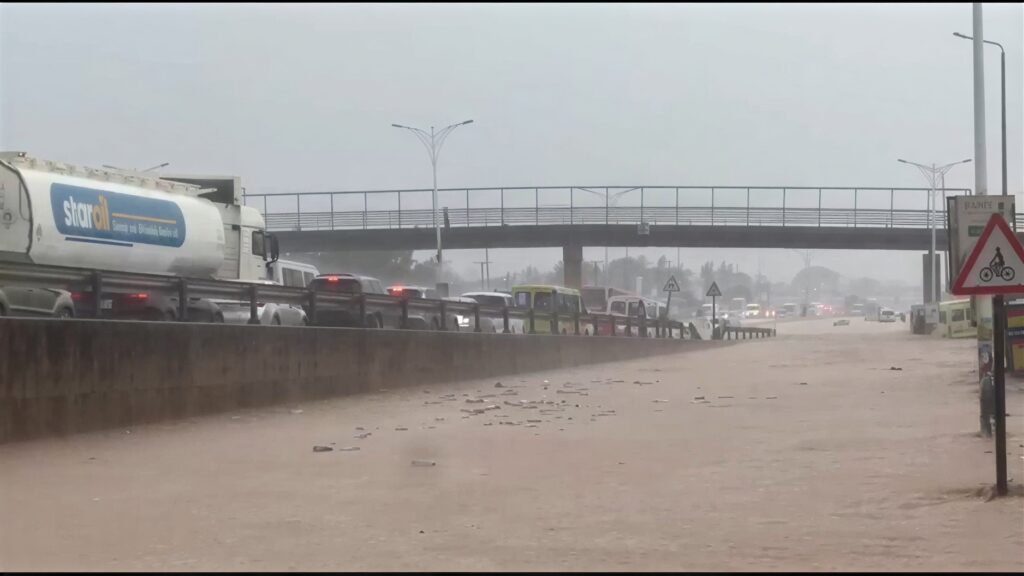
Every rainy season in Accra tells a familiar story. As heavy rains fall, roads become flooded. As a result, communities are cut off, and families struggle to get home from work.
Children play near stagnant water. Businesses close early as heavy rains disrupt daily life. Beyond the inconvenience, flooding also poses serious health risks that every household should be aware of.
For residents in Tse Addo, Spintex, East Legon, Labone, Cantonments, and surrounding communities, flooding is more than an inconvenience. It can quickly become a public health risk.
READ ALSO: High Blood Pressure Symptoms in Women
At Medics Clinic, we understand that many families and working professionals are concerned about staying healthy during the rainy season. The good news is that many flood-related illnesses can be prevented with simple precautions and early medical attention.
Why Do Floods Increase the Risk of Disease?
Floodwater often mixes with sewage, waste, chemicals, and contaminated drinking water. It also creates stagnant pools where mosquitoes breed rapidly. As a result, the risk of infectious diseases rises significantly after heavy rainfall.
Knowing what to look out for can help protect you and those you love.
Common Diseases That Can Spread After Flooding in Accra
1. Malaria
Following heavy rains, standing water provides the perfect breeding ground for mosquitoes.
Protect yourself by:
- Sleeping under insecticide-treated mosquito nets
- Using mosquito repellents
- Removing stagnant water around your home
2. Cholera
During periods of flooding, floodwater can contaminate food and drinking water, increasing the risk of cholera outbreaks.
Prevention tips:
- Drink boiled, filtered, or bottled water.
- Wash hands regularly with soap.
- Avoid food prepared under unhygienic conditions.
3. Typhoid Fever
Typhoid spreads through contaminated food and water, especially after flooding.
Protect yourself by:
- Eating freshly prepared meals
- Washing fruits and vegetables thoroughly
- Practising good hand hygiene
4. Diarrhoeal Diseases
Children are especially vulnerable to diarrhoea during the rainy season.
To reduce your risk:
- Drink safe water.
- Wash your hands before eating.
- Keep food properly covered.
5. Respiratory Infections
Cold, damp weather can contribute to respiratory infections, particularly among children, older adults, and people with chronic health conditions.
Stay healthy by:
- Keeping warm and dry
- Avoiding prolonged exposure to cold rain
- Seeking medical attention if symptoms persist
6. Skin Infections
Walking through floodwater can expose your skin to bacteria, fungi, and harmful chemicals.
Protect your skin by:
- Avoiding floodwater whenever possible
- Wearing protective footwear
- Cleaning and covering any cuts immediately
7. Eye Infections
Dirty water can irritate the eyes and introduce bacteria that cause infections.
Avoid rubbing your eyes with unwashed hands and rinse them with clean water if exposed to contaminated water.
READ ALSO: 4 Proven Malaria Prevention Tips for Families in Accra
Protect Your Family This Rainy Season
A few simple habits can make a big difference.
✔ Drink clean, safe water.
✔ Wash your hands regularly.
✔ Keep your surroundings clean.
✔ Avoid walking or driving through floodwater where possible.
✔ Seek medical attention early if you develop fever, diarrhoea, persistent cough, vomiting, severe body pains, or unusual skin infections.
Early treatment often prevents more serious complications.
Your Health Matters; Rain or Shine
The rainy season should not come at the expense of your health. Most importantly, whether you’re a busy professional commuting across Accra or a parent caring for your family, taking preventive steps today can help you avoid illness tomorrow.
If you or a loved one develops symptoms after exposure to floodwater or heavy rains, don’t delay seeking medical care.
Visit Medics Clinic for prompt, compassionate, physician-led care.


 By
By


 ExoWatts says: